
Orientation is everything
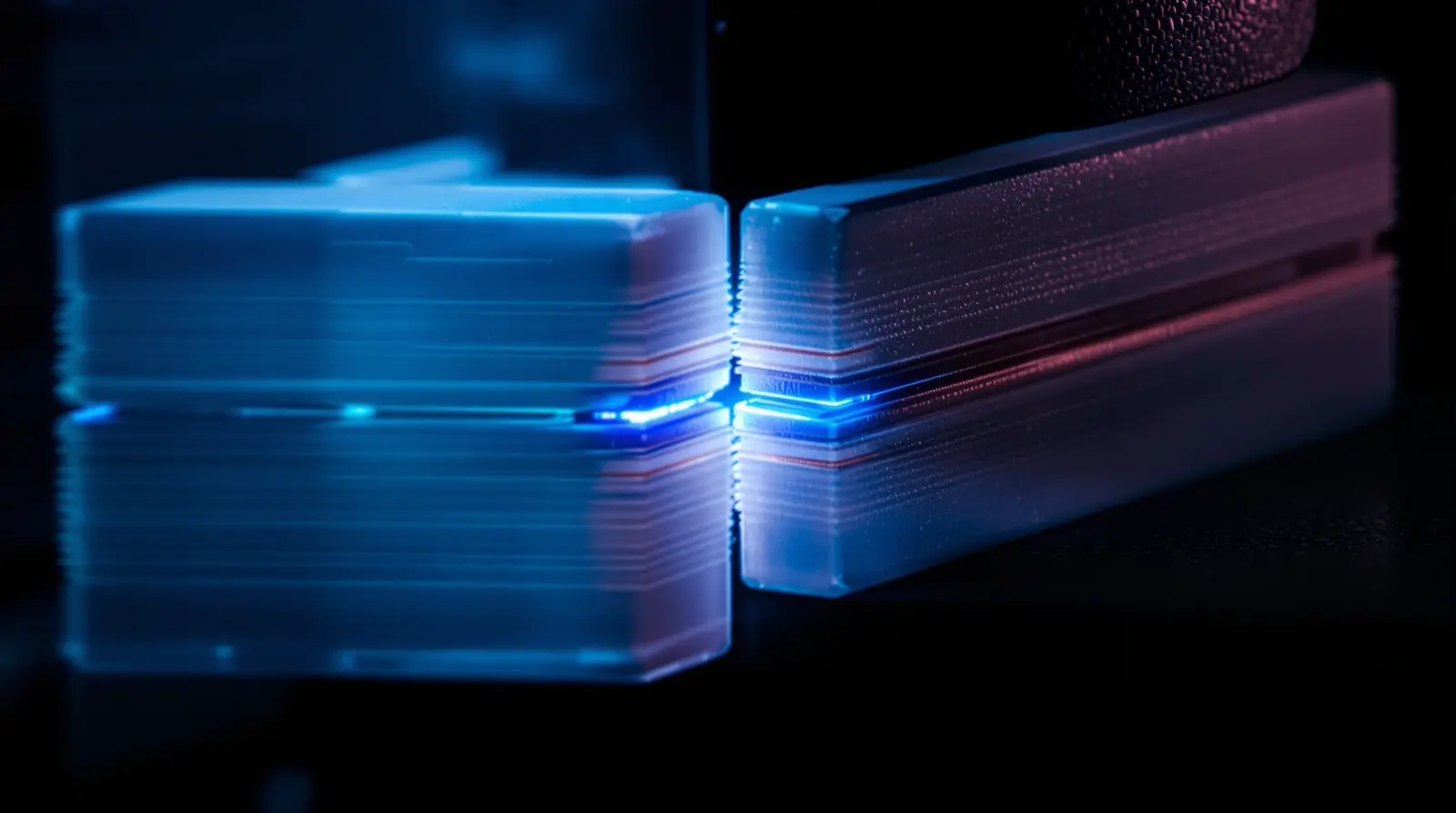
FDM parts are strongest in the plane of the layers and weakest between them. A hook printed lying down is far stronger than the same hook printed standing up, because the load pulls across the layer lines instead of splitting them. Orient for the load path first, surface finish second.
Walls before infill
- Perimeters (walls) carry most of the strength — 3 to 5 for functional parts.
- Infill supports the walls and resists crushing; 20–40% is plenty for most parts.
- 100% infill is heavy, slow, and rarely necessary — reserve it for true load parts.
- Fillets at corners spread stress; sharp internal corners are where parts crack.
When looks win instead
For display pieces, orient for the cleanest visible surface and minimal supports, and let strength take a back seat. The point is knowing which you're optimising for — you usually can't max both at once.